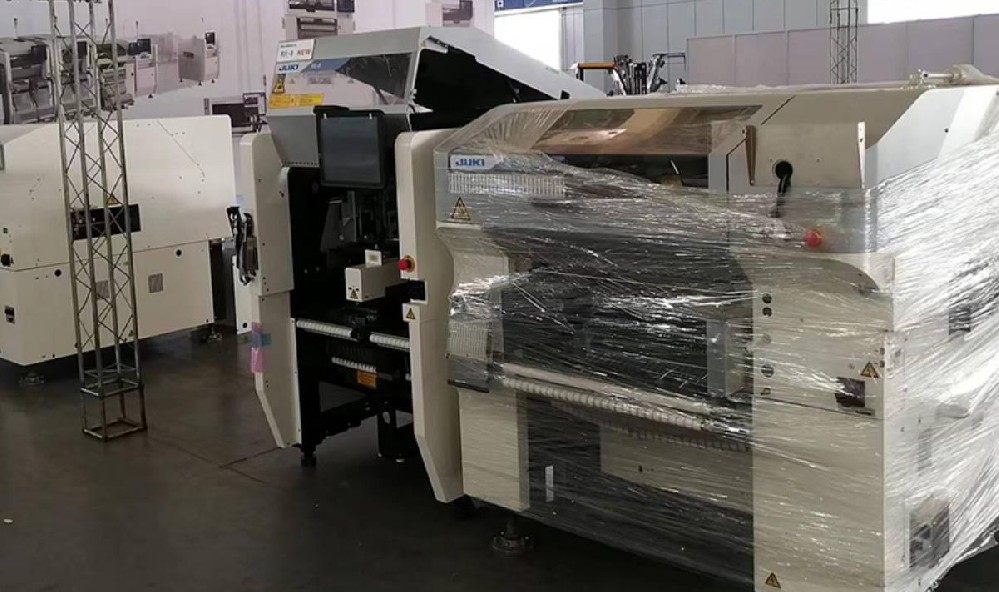
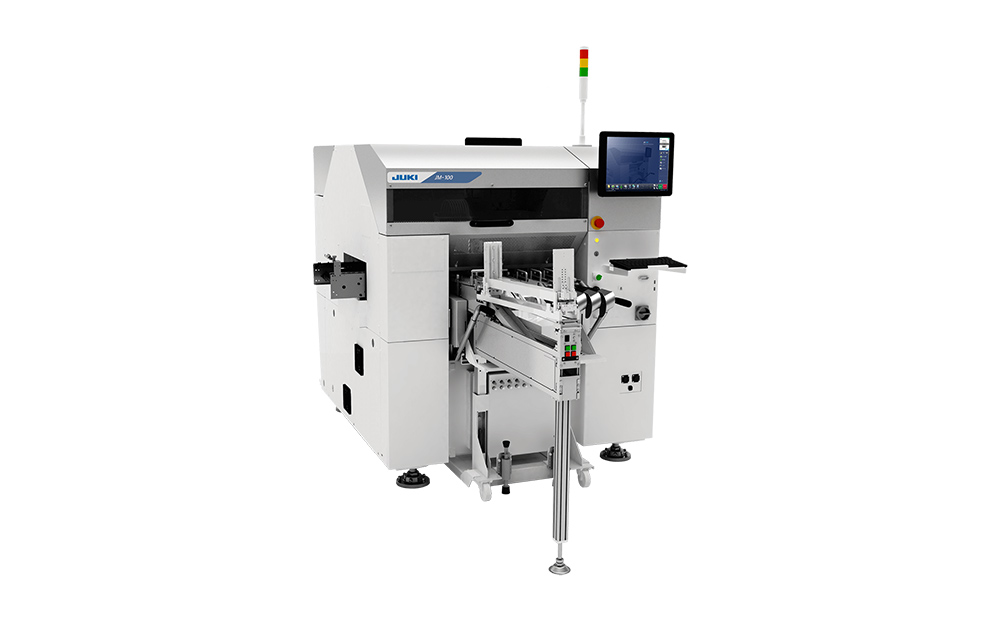
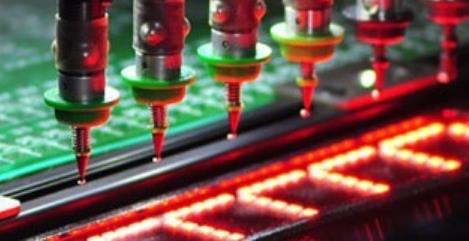
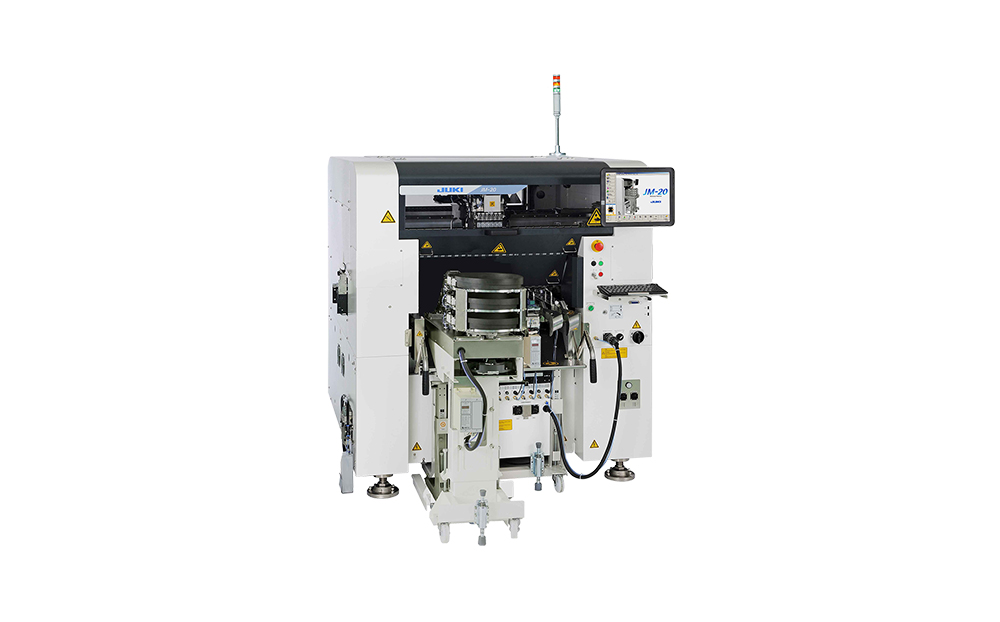
SMT (Surface Mount Technology) refers to the abbreviation of a series of process flows for processing based on PCB (Printed Circuit Board).
SMT is the abbreviation of Surface Mounted Technology, which is the most popular technology and process in the electronic assembly industry. Also known as surface mounting or surface installation technology, it is a circuit assembly technology that involves mounting leadless or short-leaded surface mount components (referred to as SMC/SMD, or chip components in Chinese) onto the surface of printed circuit boards (PCB) or other substrates, followed by soldering and assembly via methods such as reflow soldering or dip soldering.
In general, the electronic products we use are all designed based on PCB combined with various electronic components such as capacitors and resistors according to the designed circuit diagrams. Therefore, a wide variety of electrical appliances require different SMT processing technologies for manufacturing.
Solder Paste Printing --> Component Mounting --> Reflow Soldering --> AOI Optical Inspection --> Rework --> Depaneling.
Electronic products are pursuing miniaturization, and the through-hole components used in the past can no longer be reduced in size. Electronic products now feature more comprehensive functions, and the integrated circuits (ICs) they adopt no longer come in through-hole packages. Especially for large-scale, highly integrated ICs, surface mount components have to be used. Driven by product serialization, production automation, manufacturers are striving to produce high-quality products at low cost and high output to meet customer needs and enhance market competitiveness. The development of electronic components, the advancement of integrated circuit (IC) technology, and the diversified application of semiconductor materials have all promoted the development of SMT. The revolution in electronic technology is imperative, keeping up with the international trend. It is conceivable that with the production processes of international CPU and image processor manufacturers such as Intel and AMD advancing to the 20-nanometer level, the development of SMT as a surface assembly technology and process has become an inevitable trend.
Advantages of SMT processing: High assembly density, small size and light weight of electronic products. The size and weight of surface mount components are only about 1/10 of those of traditional through-hole components. Generally, after adopting SMT, the volume of electronic products is reduced by 40%~60% and the weight is reduced by 60%~80%. High reliability and strong vibration resistance. Low solder joint defect rate. Excellent high-frequency performance, reducing electromagnetic and radio frequency interference. Easy to realize automation and improve production efficiency. Reduce costs by 30%~50%. Save materials, energy, equipment, labor, time, etc.
Precisely because of the complexity of the SMT processing flow, a large number of SMT processing factories have emerged, specializing in SMT processing services. In Shenzhen, thanks to the vigorous development of the electronic industry, SMT processing has fostered the prosperity of an entire industry.